Fruit Bitters
Bar Prep • bitters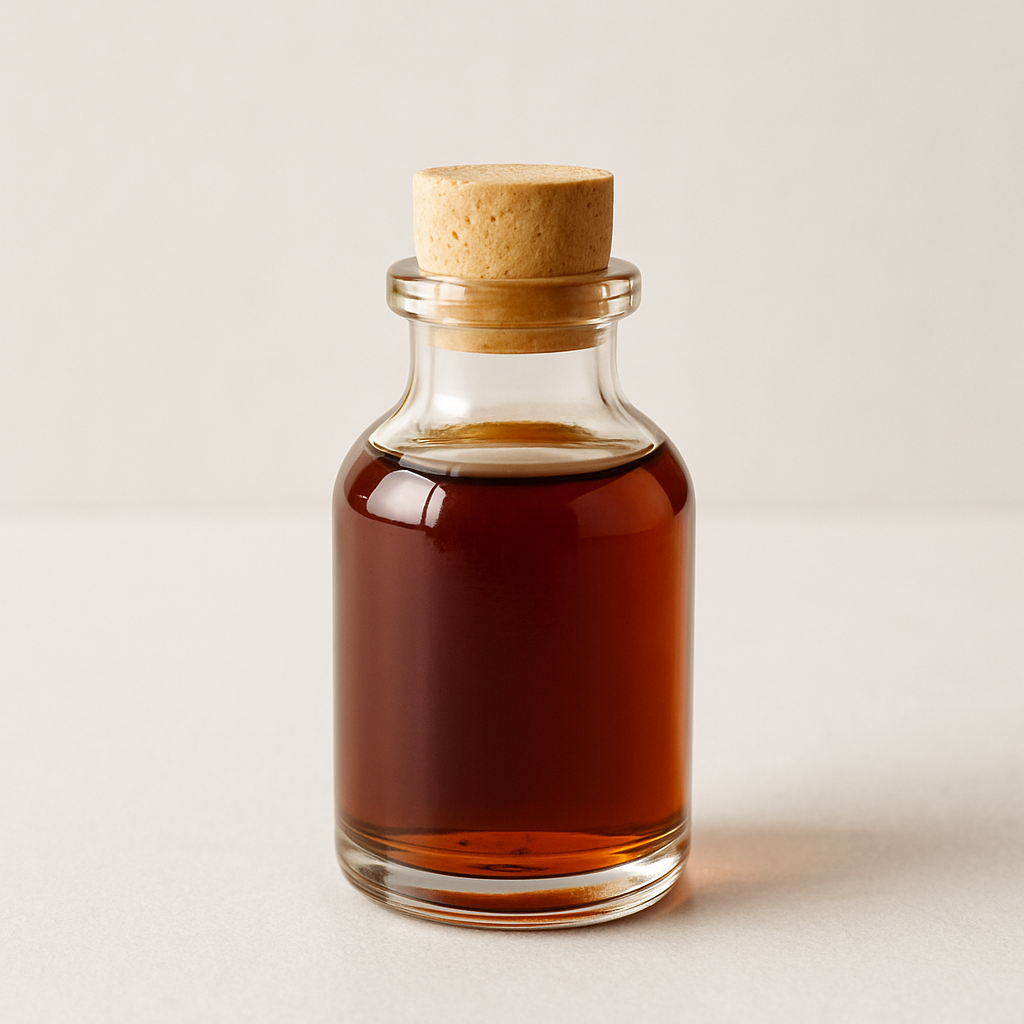
Description
A concentrated fruit-forward cocktail bitters made by tincturing dried/fresh fruit, citrus peel and warming spices in high-proof neutral spirit. Use a few drops to add fruity, aromatic bittering and aromatic complexity to cocktails, sodas, and culinary applications.
History
Bitters originated as medicinal tinctures in the 18th–19th centuries and evolved into cocktail ingredients. Fruit bitters are a modern variation that emphasize fruit and citrus aromatics layered over bittering botanicals.
Instructions
Step 1.
1) Ingredients: 100 g dried or 150 g fresh fruit (cherry, apricot, cranberry, or mixed berries), zest of 1 lemon or orange (avoid white pith), 5 g whole cardamom pods (crushed), 2 g whole cloves, 1 small cinnamon stick (broken), 250 ml high-proof neutral spirit (95–75% ABV preferred), optional 15–30 ml vegetable glycerin or 15 ml simple syrup for mouthfeel/sweetening, optional 30–50 ml distilled water to adjust strength.
Step 2.
2) Prepare botanicals: If using fresh fruit, chop into small pieces and lightly macerate. If using dried fruit, chop or crush to increase surface area. Toast whole spices in a dry pan for 30–60 seconds over medium heat until aromatic (do not burn).
Step 3.
3) Combine: Place fruit, citrus zest, and toasted spices in a clean glass jar with an airtight lid. Pour the high-proof spirit over the solids so they are completely submerged. Seal the jar.
Step 4.
4) Tincture: Store in a cool, dark place and shake the jar once or twice daily. Steep for 7–21 days, tasting every 3–4 days by diluting a drop in 10–15 ml water (or a little spirit) to evaluate extraction. Fruit flavors usually show within 7–14 days; spices may take longer.
Step 5.
5) Optional second extraction: If fruit has given up most flavor but spices need more time, decant the liquid and run a short second soak of the solids with an additional 50–100 ml spirit for 3–7 days, then combine extracts.
Step 6.
6) Finish and dilute: When the tincture reaches the desired balance, strain through a fine mesh sieve or cheesecloth, pressing solids to release liquid. For clarity, filter through coffee filter or paper. If desired, add 15–30 ml glycerin or 15 ml simple syrup for body and to soften bitterness. If the final spirit strength is too high for your use, dilute with distilled water a little at a time until the flavor reads balanced (typical bitters are concentrated and not fully diluted; aim for 30–45% ABV if you prefer milder strength).
Step 7.
7) Bottle and rest: Bottle in amber dropper bottles or small bitters bottles and label with contents and date. Let the finished bitters rest for a few days to let flavors marry; they often improve with 1–4 weeks of aging.
Step 8.
8) Usage: Start with 2–4 dashes in cocktails and adjust to taste. Refrigeration is not required if ABV is high, but keep bottles sealed, cool, and out of direct light.
Storage
Store in a cool, dark place in sealed amber glass bottles or dropper bottles. If diluted substantially or if you added sugar/glycerin, keep an eye for spoilage; refrigeration will extend freshness. Label with date and ingredients.