Orange Oleo Saccharum
Bar Prep • infusion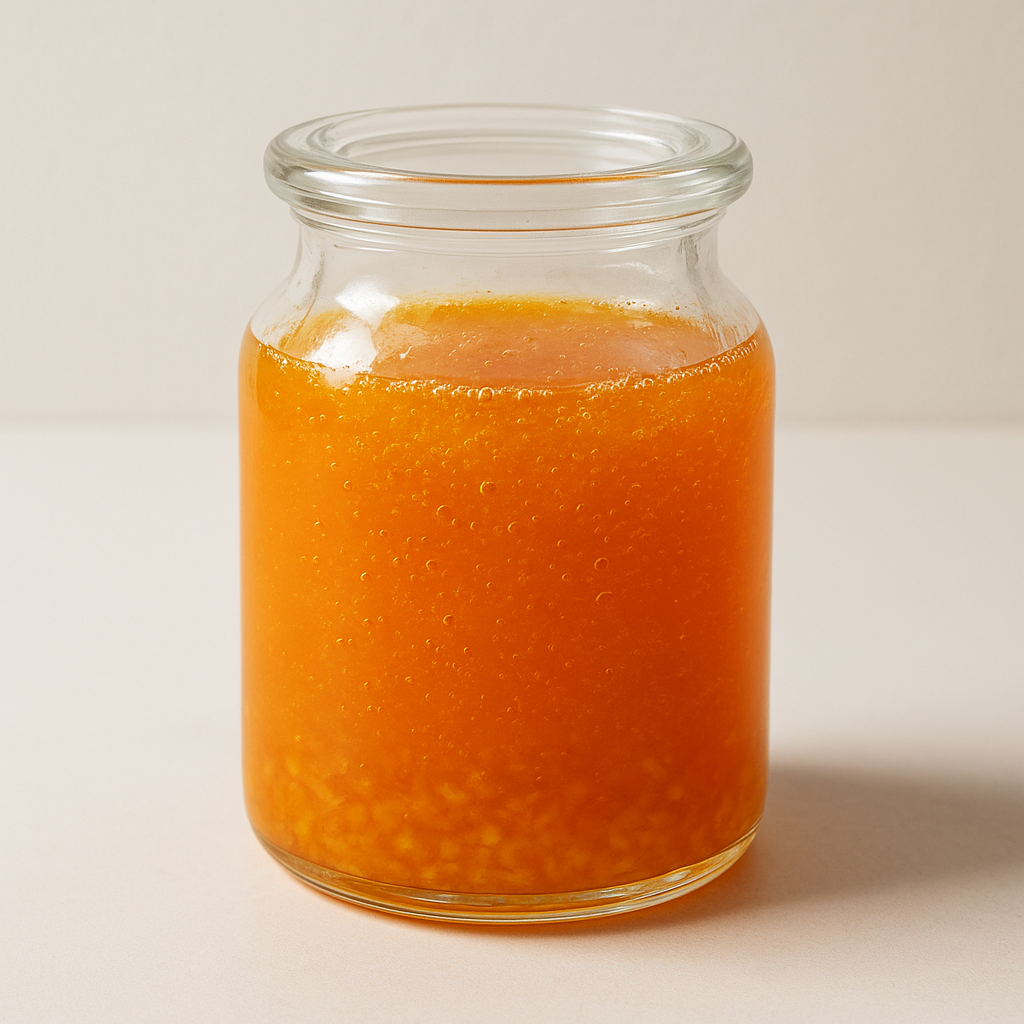
Description
Oleo saccharum is a concentrated citrus-scented syrup made by extracting the essential oils from citrus peels into sugar. It adds bright, aromatic citrus oil and sweetness to cocktails and punches without diluting them with water.
History
The name means “oil sugar” (Latin/Greek). It dates to 18th–19th century punch and confectionery techniques where citrus oils were captured in sugar to flavor drinks and desserts; it’s been adopted by modern cocktail culture for intense, pure citrus aroma.
Instructions
Step 1.
1) Ingredients: zest (thinly pared peel with minimal white pith) from 4–6 medium oranges (about 3–4 oz / 80–120 g of peel) and 1 cup (200 g) granulated sugar. Optional: a small pinch of salt to brighten.
Step 2.
2) Wash and dry the oranges thoroughly. Use a channel knife, vegetable peeler, or microplane to remove the colored outer zest only, avoiding the bitter white pith.
Step 3.
3) In a clean, wide-mouth jar or bowl, combine the zest and sugar. Pour half the sugar in, add the zest, then top with remaining sugar to help weigh the zest down.
Step 4.
4) Gently muddle or bruise the peels into the sugar for 1–2 minutes (a muddler, wooden spoon, or rolling pin works) to start releasing oils. You should see the sugar pick up oil and become fragrant.
Step 5.
5) Cover and let sit at room temperature for 4–12 hours; for a stronger extract you may leave up to 24 hours. Occasionally press the zest into the sugar to ensure contact. The sugar will liquefy as oils and some juice are drawn out.
Step 6.
6) After infusion, strain the mixture through a fine mesh strainer lined with cheesecloth or a coffee filter into a clean container, pressing the zest to extract as much syrup as possible. Discard or reserve spent zest for compost.
Step 7.
7) Taste and, if desired, adjust sweetness or brightening. If the mixture is too thick you may add a teaspoon of fresh citrus juice to loosen (note: adding juice increases dilution and shortens shelf life).
Step 8.
8) Store refrigerated in an airtight jar. Label with date.
Storage
Keep refrigerated in a clean, airtight container. Use within 2–3 weeks; discard if off-smelling, cloudy with mold, or if fermentation is evident. You can freeze in small portions for longer storage (up to 3 months). Avoid adding extra liquid unless using promptly.
Quick Info
Views: 14
Created: 2026-01-13 04:07:51
Updated: 2026-01-27 02:36:49
Source:
Wikipedia — Oleo saccharum